
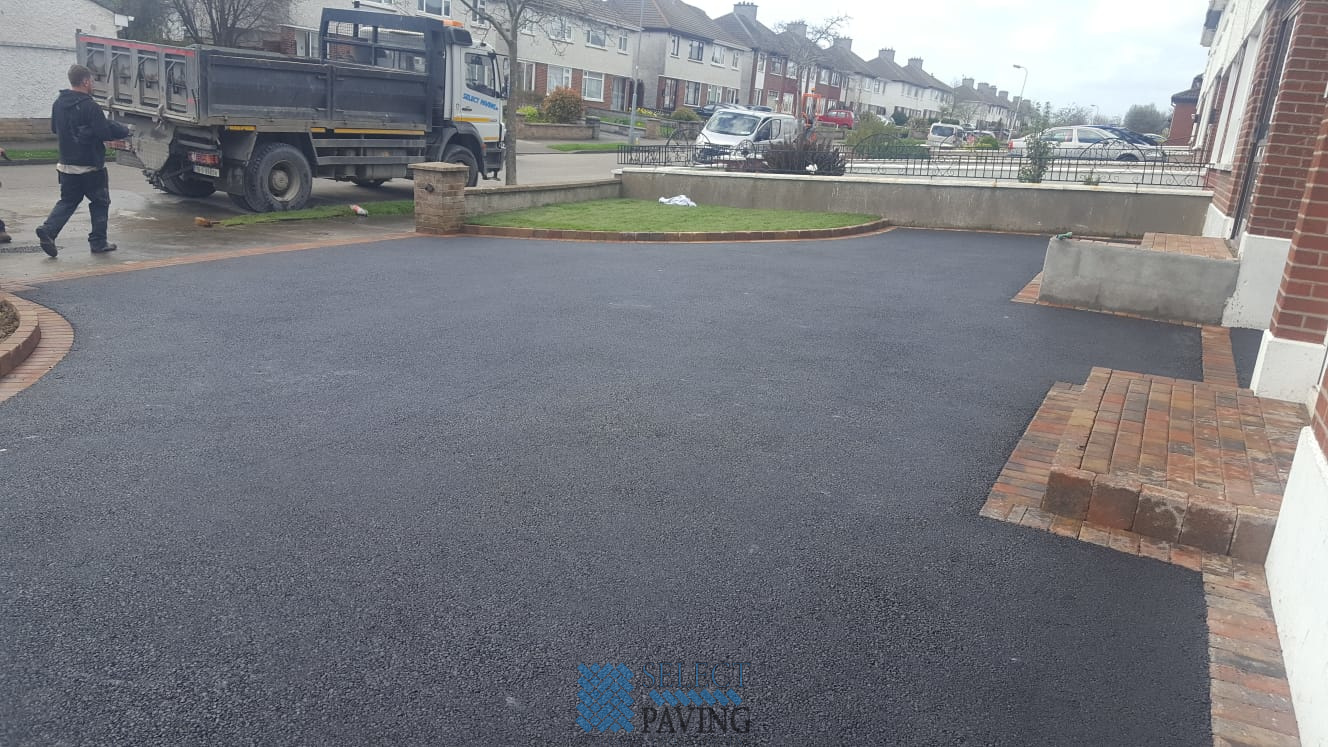
Tarmacadam, Tarmac, Asphalt and SMA
Multiple terms and technical names often refer to tarmac and Asphaltechnicmost significants. The biggest difference between the technical names is the aggregate, bonding agent and the size of the aggregate.
Tarmac/Tarmacadam
The term “tarmacadam” is a combination of two words: “tarmac” and “macadam.”
“Tarmac” is a short form of the word “tarmacadam,” which is the brand name of a type of surface created by the British company Tarmac Limited in 1901. The company developed a mixture of tar and crushed stone that was used to surface roads; this airport this mixture was named Tarmac.
“Macadam” is a type of road surfacing invented by Loudon McAdam in the early 19th century. It involves layering crushed stone on top of a compacted base to create a stable and durable road surface.
Asphalt
Asphalt, also known as bitumen, SMA (Stone Mastic Asphalt) or HRA (Hot Rolled Asphalt), is a sticky, black, highly viscous liquid or semi-solid naturally occurring petroleum pIt is used as the binder, or glue, that holds together the stone aggregate.
The word “asphalt” comes from the late Middle English word “asphalte,” which in turn comes from the Old French word “asphalte,” which comes from the Greek word “asphaltos” meaning “securely fixed.” Even though it has a history going back 625 BC, it only gained in popularity when refined petroleum asphalt started to replace natural asphalt (brea) from natural deposits.
The Differences Between Tarmac and Asphalt (bitmac)
Outside of the differences in chemical makeup between tarmac and asphalt, tarmac has a harder wearing finish, making it more resistant to scuffing from wheels on cars, whilst asphalt is lower maintenance and has a denser finish to it. The dense finish means less space for mould growth or weeds in the gaps between the aggregate.
Asphalt is reusable, which is why you can have reclaimed or recycled asphalt, whereas tarmac is recyclable. Tarmac is more prone to damage from diesel spills and soft spots in scorching weather.
Both types can make an excellent surface for your driveway and will easily last for decades once they are looked after correctly, provided the tarmac installation process is followed correctly.
Here are some of the different technical names or acronyms for Asphalt:
- SMA – IS EN 13108-1 (Stone Mastic Asphalt) – Stone Mastic Asphalt, also known as gap-graded asphalt mixture, is a type of paving material made up of coarse crushed aggregate bound together with a mastic mortar and bitumen as a binder.
- HRA – IS EN 13108-4 (Hot Rolled Asphalt) – Hot Rolled Asphalt, also known as a dense, gap-graded bituminous mixture, is a type of paving material made up of fine aggregate, filler, and binder.
- Porous Asphalt – The asphalt mixture is designed to have a minimum of 15% air voids, which allows water to drain through the pavement
- Tarmacadam – Refers to a type of road surface that combines the elements of Tarmac and macadam: a mixture of tar and crushed stone used to surface driveways and laneways.
- Asphalt Concrete (AC) – General designation for Asphalt Concrete. Asphalt Concrete is a graded or gap-graded bituminous mixture in which the aggregates form an interlocking structure.
- Reclaimed Asphalt – IS EN 13108-8
- Mastic Asphalt – IS EN 13108-6
- Binder Course – Also known as a base course, it serves as a bonding layer between the upper and lower layers of the pavement, providing additional strength and stability to the overall structure of the surface.
- Surface Course – The surface course, also known as the upper course of the pavement, is the layer in direct contact with the traffic. It is the layer that provides a smooth, durable surface for vehicles to travel on.
- Bond Coat – A bond coat is a polymer-modified bituminous binder that improves adhesion between pavement layers. It can be applied as a bituminous emulsion or a hot-applied binder.
- Tack Coat – A tack coat is a conventional bitumen emulsion that improves adhesion between pavement layers. It is typically applied in small or inaccessible areas where a bond coat application is not feasible.
Get inspiration for a tarmac or asphalt driveway by visiting our Tarmac or our Asphalt completed projects; alternatively, visit our tarmac services or head over to our contact page to get a free estimate.